Application 01
Dashboards & portals
Role-based dashboards and customer or vendor portals, reading live from your operational data.
ExploreInternal tools, portals and dashboards built for the workflow you actually run — the one that currently lives across four spreadsheets and a group chat.
A starting point for a conversation, not a quote — real timelines depend on your data, integrations and how many people need to sign off.
Every growing team hits the same wall. The sheet that ran operations beautifully at five people starts breaking at fifteen: two versions in circulation, formulas someone overwrote, and no record of who changed what.
A custom web application fixes the parts a spreadsheet was never going to do — concurrent access, permissions, validation, an audit trail, and automation of the steps your team currently does by hand.
We are equally happy to tell you when custom is the wrong call. If an off-the-shelf tool covers 90% of what you need, buying it is cheaper than building it, and we will say so before you spend anything.
We watch the work happen, including the workarounds nobody documents. The workarounds are usually the requirement.
A narrow but genuinely usable version goes live in three to five weeks, so feedback comes from use rather than from a mockup.
Modules added in priority order against real usage, with the source code and deployment handed over at each stage.
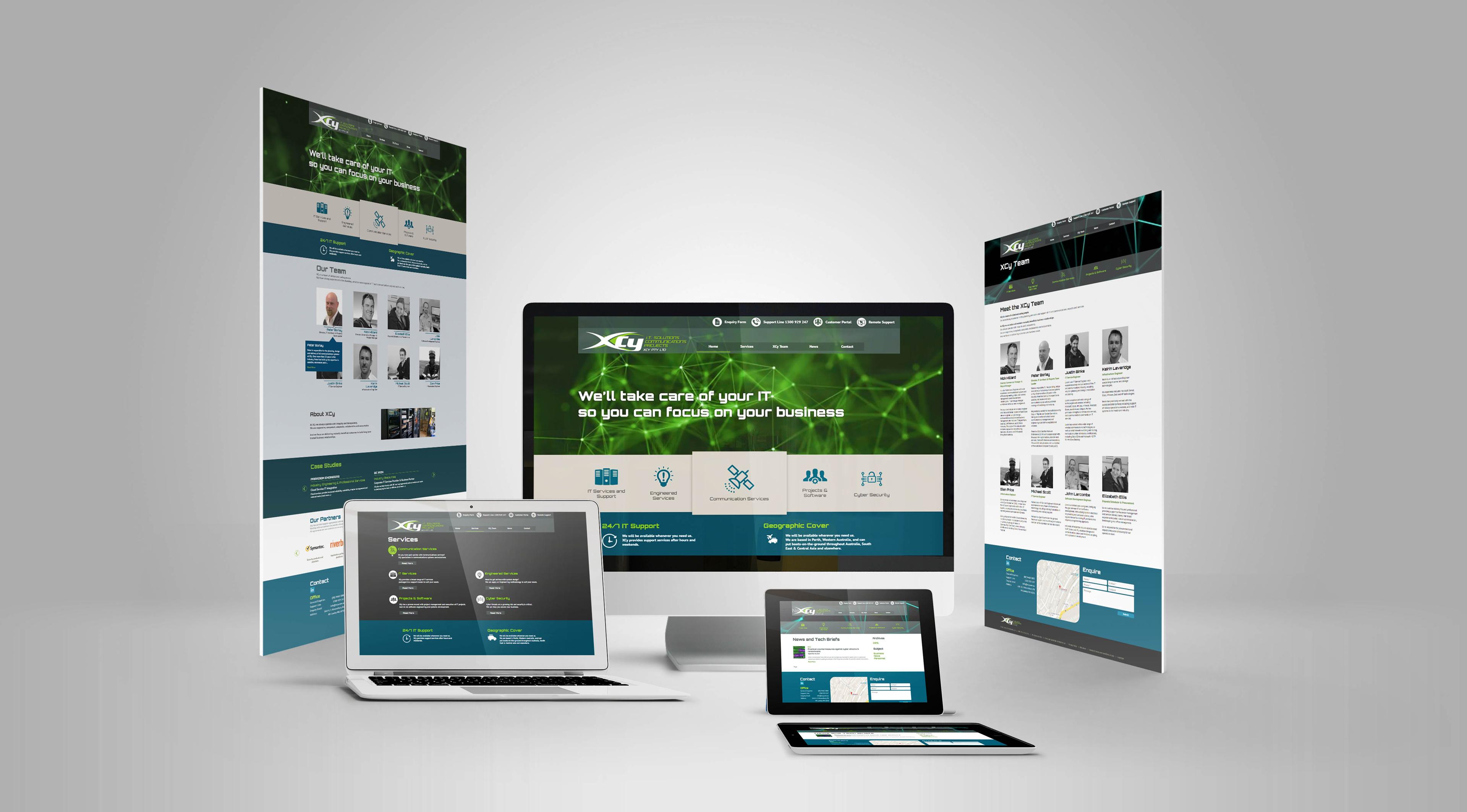
An operations team was coordinating jobs across shared sheets and a group chat, losing an afternoon a week to reconciling versions. A thin first release went live in four weeks and became the single place jobs were tracked.
Often it is not, and we will tell you. If an off-the-shelf tool covers about 90% of what you need, buying it is cheaper. Custom pays off when your process is the thing that makes you competitive, or when no tool fits the way you work.
Start there. Show us the process and we'll come back with scope, timeline and a number.